Ants keep returning to your Sacramento kitchen?
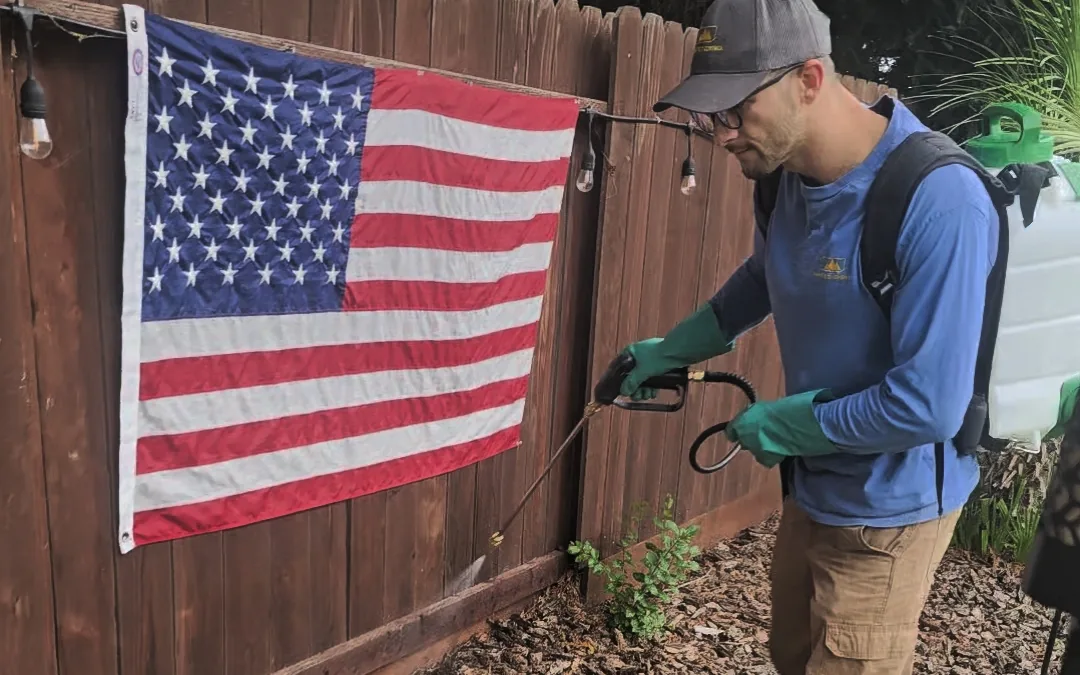
An ant trail in a Sacramento kitchen gives you a place to start looking. Note where it enters and what the ants are reaching. Food storage and moisture deserve attention before another product goes on the counter. If the trail keeps returning, those observations can help a technician investigate the problem.
Summit Pest Control provides ant control and general pest control. When you contact us, tell us which room is affected and whether the activity stays in one place or appears around the house. A clear photo of the ants and their route is useful if you can take it without disturbing electrical fittings or moving heavy appliances.
What should you record before the trail disappears?
Write down the date, the room and the point where you first saw the trail. A kitchen window, the edge of a cabinet and a gap beside a pipe are different observations. If you only say “ants everywhere,” the next person has to start from the beginning.
Do not worry about identifying the species yourself. A photo may help, but a tiny dark ant on a phone screen is not enough for a confident diagnosis. Note what is happening instead: ants approaching a pet bowl, crossing the sink rim or following the same cabinet seam each morning.
| What you notice | What to check |
|---|---|
| A trail into food storage | Open packets, sticky containers and spills beneath stored items. |
| Ants around the sink | Standing water or an accessible leak, without disturbing plumbing. |
| A route at a window or door | The visible entry point and whether activity is also present outside. |
| Repeated activity after treatment | When it returned and which products or devices were used. |
Which kitchen changes are worth making?
UC Integrated Pest Management recommends reducing access to food and water and identifying entry points as part of ant management. Its guidance on excluding ants from buildings includes storing food so ants cannot reach it.
Start with the particular area the trail is using. Close an open package properly rather than shifting it to another shelf. Wipe residue from the outside of containers. Remove food scraps from the worktop and check beneath a movable countertop appliance if it is safe to do so. Keep waste containers closed.
Pet feeding areas need their own check. Clear leftover food when practical and clean the surrounding floor. Keep drinking water available for pets; the aim is to deal with spills and food residue, not remove something the animal needs.
If you find a leak, arrange the appropriate repair. Pest treatment does not repair a dripping connection. Report the leak when booking so the moisture issue and pest activity can be considered together.
Does irrigation explain ants coming indoors?
Do not treat timing as proof. If you notice activity after watering the garden, record that detail, along with the route into the kitchen. It is information to investigate, not enough to conclude that the irrigation caused the ants to enter.
A ground-level look outside may show a trail along the wall or vegetation touching the building. Tell the technician what you can see. Avoid changing irrigation settings solely on the basis of an indoor ant trail; plant needs, drainage and leaks are separate matters that may need their own attention.
For homes in Sacramento, Natomas or West Sacramento, the useful local information is your actual property setup. Describe whether the affected room faces a planted bed, paved side yard or shared wall. There is no need to make the whole neighborhood fit one explanation.
Should you spray the trail?
Before adding a product, check what is already in use. UC IPM explains that sprays and baits work differently and that bait acceptance varies. Its ant-management guide is a useful reference when you are trying to understand why an indoor spray has not settled a recurring problem.
Tell the technician the product name and when and where it was used. Keep the packaging or take a photo of the label. Do not combine products or improvise applications. Follow the label, including restrictions for food-contact areas and access by children or pets. A professional can explain a proposed treatment and its preparation requirements for your home.
This is also a reason to avoid guessing that every return visit needs a stronger chemical. Persistent activity can call for a closer look at the route and the conditions around it.
When is a service visit worth arranging?
Consider contacting a pest-control company when the trail repeatedly returns, appears in several rooms or cannot be traced from an accessible location. Share what you have already changed and whether those changes affected the activity. That record keeps the conversation specific.
For an apartment or a managed property, report the issue through the appropriate property contact as well. A shared building may require access or coordination beyond your unit. Confirm who is arranging the visit rather than assuming someone else has reported it.
What should you ask before a treatment?
Ask which areas will be treated, what preparation is needed and when those areas can be used again. Tell the company about pets and any access restrictions before the appointment. Product-specific instructions belong with the actual treatment plan; a general blog cannot set them for every home.
Also ask what follow-up is included. Keep a record of continuing activity with the same room names and entry points you used initially. If the pattern changes, report the new location. Useful follow-up depends on a clear description of what happened after the visit.
Contact Summit about recurring kitchen ants
Use Summit Pest Control’s contact page or call 916-818-3863. Include your city, the room affected and what you have tried. Keep any product labels available for the appointment.

Residential and commercial pest control. Local technicians treating homes and businesses across Sacramento and the surrounding area.
Services
Contact
- (916) 818-3863
- Summit Pest Control
- Sacramento and West Sacramento
- Mon-Sat: 7am – 6pm
© 2026 Summit Pest Control. All rights reserved.