Health Risks of Rodent Droppings
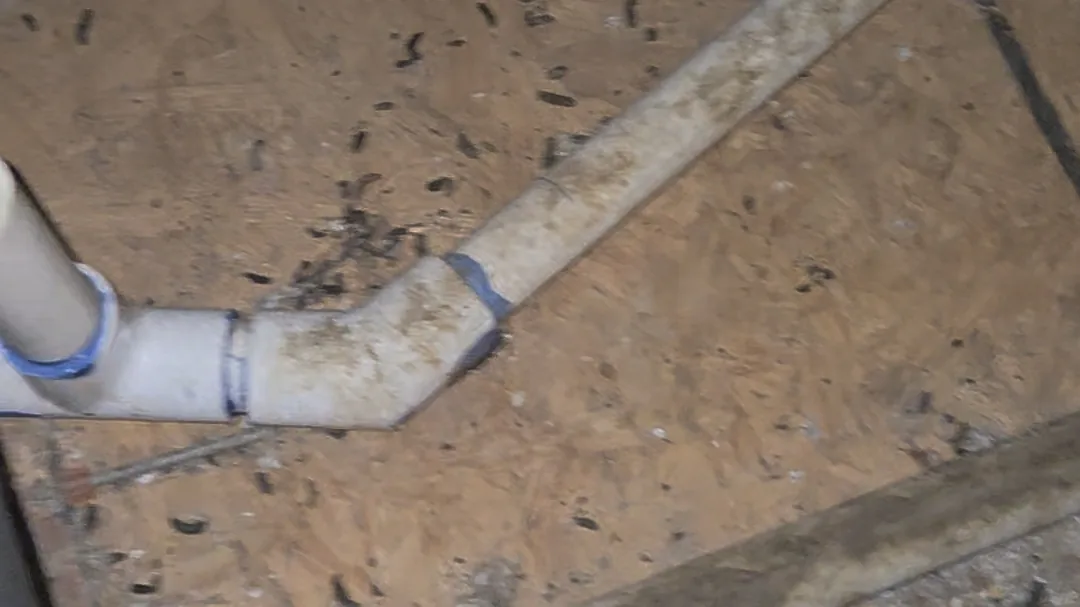
Why droppings are a health problem
The California Department of Public Health says particles containing hantavirus get into the air when dried mouse urine, saliva or droppings are stirred up. It reports about 3 Sin Nombre hantavirus infections in California each year.
Early symptoms look like the flu. They usually show up 1 to 6 weeks after exposure. If you get a fever and trouble breathing after cleaning up rodent mess, see a healthcare provider and mention the rodents.
UC IPM adds that house mice carry diseases such as leptospirosis and salmonella and leave their feces in food. It says mouse urine is a major source of allergens. UC IPM’s rat note lists typhus, leptospirosis and food-borne illness among the diseases rats spread.
If you are finding droppings, a rodent inspection in Sacramento checks for entry points and activity. Exclusion work is quoted after that.
How to clean up droppings safely
- Air out the space for 30 minutes before you start.
- Put on rubber or plastic gloves.
- Spray the droppings with a disinfectant or a fresh 10% bleach solution until they are soaked. Leave it for at least 5 minutes.
- Wipe it up with paper towels. Do not sweep or vacuum, since that stirs the material back into the air.
Those steps are the CDPH guidance. Photograph what you find before you touch it, so the technician can see where the droppings were.
Stopping new droppings
Cleanup does not stop more from arriving. UC IPM calls exclusion the most successful and permanent form of house mouse control and says to close gaps larger than ¼ inch.
The inspection covers the attic, the crawlspace and the roofline, and rodent exclusion is quoted after it, starting at $500. We also have pages on rodent control in Sacramento and rodent control in Elk Grove.
If you are not sure which rodent left the droppings, our guide to field mice in the house compares the house mouse, the deer mouse and the vole.
To book an inspection, contact us or call (916) 818-3863, Monday to Saturday, 7am to 6pm.

Residential and commercial pest control. Local technicians treating homes and businesses across Sacramento and the surrounding area.
Services
Service areas
Contact
- Summit Pest Control
- (916) 818-3863
- info@summit-pest-control.com
- 432 Todhunter Ave, West Sacramento, CA 95605
Serving the Sacramento area - Mon-Sat: 7am - 6pm
© 2026 Summit Pest Control. All rights reserved.