Black widow spiders in Sacramento: where they hide and what to do
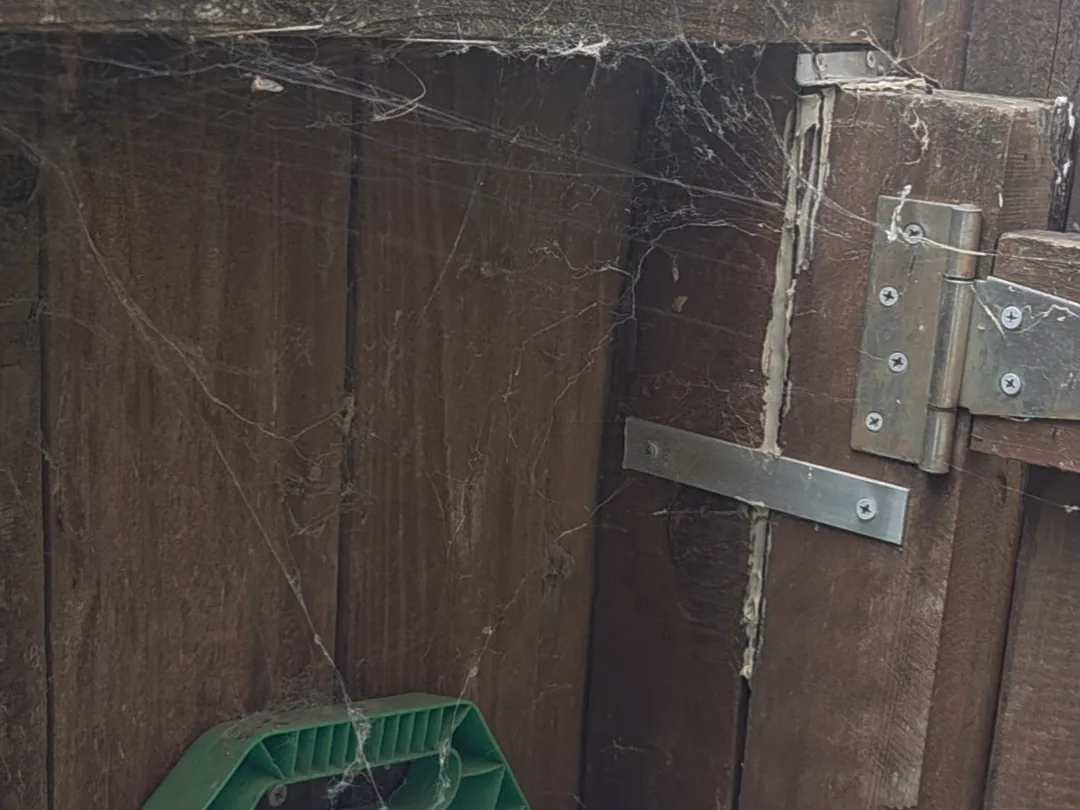
UC IPM says the black widow generally stays outdoors and out of sight. People are most likely to be bitten while cleaning out or picking up stored items.
UC IPM’s Pest Notes on spiders name the western black widow as the most common harmful spider in California. They say it occurs in most parts of the state.
Below is how to recognize one, where to look around a house, and how to clear a space without reaching into the wrong corner. If you would rather not clear it yourself, our spider control visit takes down the webs. It also treats the eaves, garages and door frames where spiders settle.
How to recognize a black widow
The adult female is the one people picture. She has a shiny black body and slender black legs. A red or orange hourglass shows on the underside of a round abdomen.
Young spiders and males look nothing like that: UC IPM describes white stripes on a tan abdomen. The male is a half to two thirds the size of the female, and his fangs are too small to break human skin.
Often the web gives it away first. A black widow builds an irregular, tough, sticky cobweb and hangs in it upside down with the hourglass showing; the silk feels rough to the touch. Egg sacs are about half an inch across, creamy yellow to light tan, and tough and papery on the surface.
Where they hide around a Sacramento house
UC IPM puts them in dark, dry, sheltered places that rarely get disturbed, so on a typical Sacramento property, check:
- woodpiles and stacked lumber
- garage shelves, and boxes sitting on the garage floor or against a wall
- sheds and storage areas you open a few times a year
- the strip along the foundation, which UC IPM says to keep free of trash, leaf litter and clutter
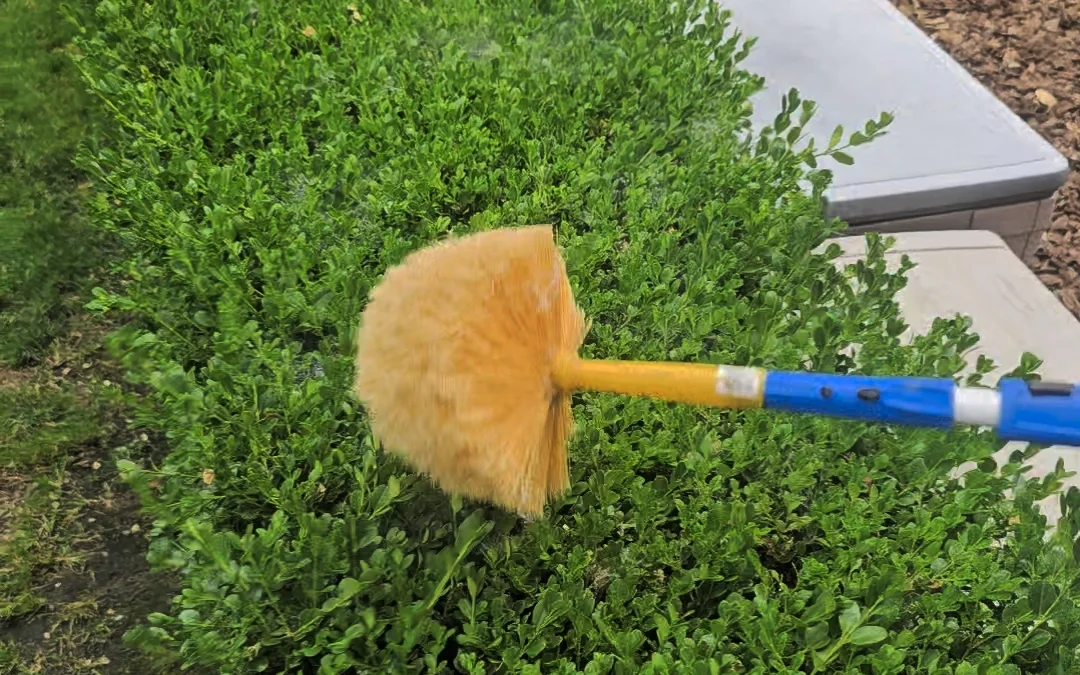
Porch and garage lights add to it. UC IPM notes that outdoor lighting pulls in insects, and the insects bring the spiders.
Clearing a space safely
People get bitten when they disturb the spider while cleaning or picking things up, according to UC IPM, whose notes list a few habits that cut that risk:
- Wear gloves to sort a garage, shed or woodpile, and store boxes off the floor and away from the walls, taped shut.
- Trim plants back from the walls and seal cracks in the foundation and the gaps around doors and windows.
A single spider indoors can be vacuumed up, and UC IPM says the soft body usually does not survive the hose. Outdoors, the same notes say insecticides will not give long-term control. So removing the webs and the hiding places does more.
If someone is bitten, UC IPM’s widow spider note says to seek medical attention immediately. If you can catch the spider without risk, keep it so someone can identify it.
When to call us
Call if irregular webs or egg sacs keep showing up in the garage, the shed or around the foundation, or if there is a space you would rather not clear yourself.
Our spider control service clears established webs and treats the eaves, garages and door frames where spiders settle, and it also treats the insects they feed on. Spiders are covered on all three of our general pest control plans. For a home in Roseville, see spider control in Roseville.
Before the visit, make a note of where you saw the webs or sacs and whether children or pets can get to those spots. If the webs keep coming back to the same spot, see spider webs returning in your Sacramento garage.
Sources: UC IPM Pest Notes: Spiders (UC ANR Publication 7442). UC IPM Pest Notes: Widow Spiders and Their Relatives (UC ANR Publication 74149). Both were checked 7 October 2026.
Want the garage checked? Request a quote through our contact page or call (916) 818-3863, Monday to Saturday, 7am to 6pm.

Residential and commercial pest control. Local technicians treating homes and businesses across Sacramento and the surrounding area.
Services
Service areas
Contact
- Summit Pest Control
- (916) 818-3863
- info@summit-pest-control.com
- 432 Todhunter Ave, West Sacramento, CA 95605
Serving the Sacramento area - Mon-Sat: 7am - 6pm
© 2026 Summit Pest Control. All rights reserved.