Rodent exclusion vs. trapping for Sacramento homes
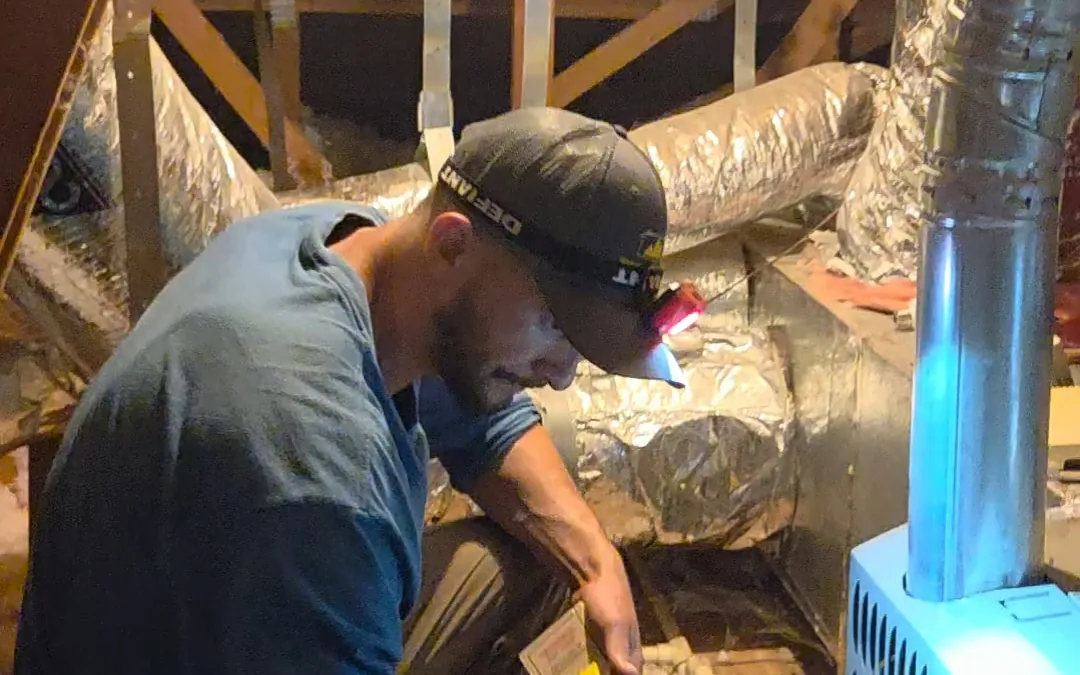
Traps deal with rats or mice already in a home. Exclusion closes the openings they use to get inside.
When you compare quotes, check which of those two jobs each proposal includes.
We offer rodent inspections and rodent exclusion. We quote exclusion after an inspection, starting at $500. An inspection gives the work a starting point: where there is evidence of activity, which areas can be reached, and what still needs checking.
A noise above a bedroom ceiling is worth reporting. The UC IPM rats note says roof rats nest in attics and walls, while Norway rats burrow along foundations. So the sound alone does not tell you which animal or which route.
What does each part of the work cover?
| Work | Purpose | Ask before agreeing |
|---|---|---|
| Inspection | Look for activity and possible access points. | Which parts of the property were inspected, and which were inaccessible? |
| Trapping | Address rodents already present. | Who checks the devices and records the results? |
| Exclusion | Close identified routes into the building. | Which openings are included, and how will completion be documented? |
| Follow-up | Review whether activity continues after the initial work. | What is included in the proposal, and what would require another visit? |
The written proposal for your property should say what you are getting. Do not assume that a general pest-control visit includes repairs to the building by default.
Why can trapping alone leave a problem unresolved?
If an opening is still there, removing the animal inside does not close that route. UC Integrated Pest Management describes rat management as a mix of sanitation, structural exclusion and population control.
Its rat-management guide lists utility openings and gaps in building foundations. These are among the places to check.
A homeowner can easily miss the difference when two estimates both say “rodent control.” One may cover devices and visits.
Another may include finding and closing entry points. Ask the company to list these tasks apart on the estimate. Then you can compare the same scope.
What should you show the inspector?
Start with what you have noticed. Give the room and rough time of any scratching sounds, and say whether activity is indoors, in the garage or outside only.
The UC IPM rats note lists signs of rats. They are droppings near food preparation and storage areas or pet food, gnawed fruit or nuts in the yard, nests behind boxes in cluttered garages and burrows under garbage cans or compost.
- Point out previous repairs, even if you do not know who did them, and say which devices or products were used before and where they were placed.
- Say what limits access. Examples are a locked gate, a storage area you cannot reach or an attic entrance inside a closet.
Do not sweep or vacuum droppings, because the California Department of Public Health warns that stirring up dried mouse droppings can put hantavirus into the air.
Photograph any evidence you can reach, such as a damaged food package or an opening. Do not touch it. Leave roof access and confined-space inspection to someone with the right gear.
Which details belong in an exclusion proposal?
Ask where the repairs will go, and ask for photographs that make sense to you. “Seal entry points” is less useful than a list of the openings found at your property.
Ask what will be used at each opening, since the UC IPM rats note says to seal anything larger than a quarter inch with steel wool, wire screen or sheet metal. The note says rats chew through plastic, foam, wood and caulk. For vent covers, it calls for galvanized half-inch mesh.
Also ask how the contractor will record the finished work and flag anything outside the agreed scope. If a visible gap turns out to be a building feature or a separate repair, get that in writing, so you know which work the pest company will do and which repair you must arrange yourself.
How should you compare two Sacramento quotes?
Put the scope beside the price. Check the inspection coverage, the listed exclusion work and the follow-up arrangement.
Our own exclusion quotes start at $500 and come after an inspection, because the price depends on how much of the house is open.
Ask whether the quote includes checking or removing devices. Ask about cleanup too. Read any warranty as its own document, and ask what it covers, how long it runs and what you must do if activity returns.
All three of our residential plans list roof rat infestations as an exclusion. Exclusion work is quoted on its own, so keep the estimate and the completion record together.
If you rent or someone else manages the property, share what you found with the person who can approve repairs, and get permission before the work is scheduled.
What happens if you still hear activity?
Report the location and timing again, including whether it has changed since the work. Give the company the earlier inspection record, rather than starting with a new description each time.
The UC IPM house mouse note says mice can squeeze under gaps a quarter inch tall. A new gap that small is worth reporting.
Ask what evidence will be used to judge progress. One quiet night does not tell you whether every access point has been found. An unexplained sound does not prove that a repair failed.
Arrange a rodent inspection with us
For a home in Sacramento or West Sacramento, start with our contact page or call 916-818-3863. Describe the activity and the areas you can safely point out. Before you approve the work, ask for the inspection findings and the proposed exclusion scope. Our rodent control service in Sacramento has its own page.

Residential and commercial pest control. Local technicians treating homes and businesses across Sacramento and the surrounding area.
Services
Service areas
Contact
- Summit Pest Control
- (916) 818-3863
- info@summit-pest-control.com
- 432 Todhunter Ave, West Sacramento, CA 95605
Serving the Sacramento area - Mon-Sat: 7am - 6pm
© 2026 Summit Pest Control. All rights reserved.